
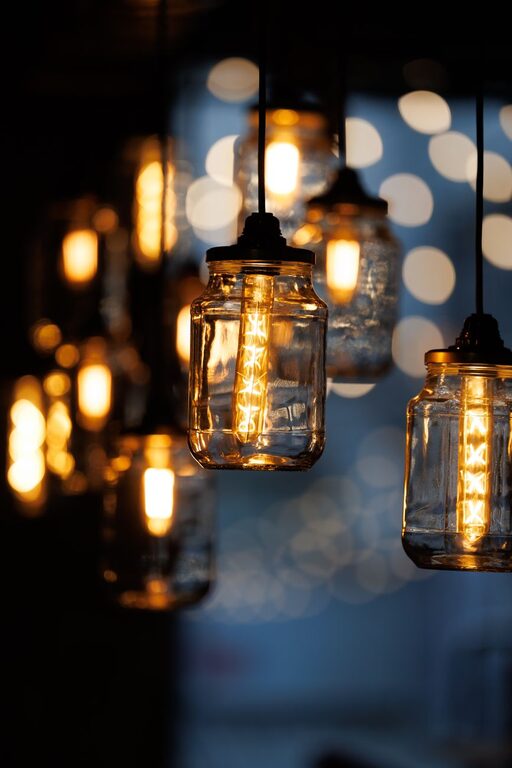
Tips for Choosing Comfortable Home Lighting
Creating a comfortable and inviting atmosphere at home starts with the right lighting. Proper home lighting not only illuminates your space but also affects your mood, productivity, and overall well-being. Choosing the right lighting can seem overwhelming given the many options available today, but with a few basic guidelines, you can transform your home into a cozy retreat.
Understanding the Basics of Home Lighting
Lighting can be divided into three main types, each serving a unique purpose:
– Ambient lighting: This is the general, overall light in a room. It provides uniform illumination and ensures you can move safely and see comfortably.
– Task lighting: Focused light designed to help with activities like reading, cooking, or working.
– Accent lighting: Decorative lighting used to highlight artwork, plants, or other features, adding depth and interest.
Balancing these types of lighting will make your home functional and pleasant.
Consider Your Room’s Purpose and Activities
Before choosing bulbs or fixtures, think about how you use the room:
– Living rooms and bedrooms benefit from warm, softer lighting that creates a relaxing environment.
– Kitchens and home offices require brighter, cooler light for clear visibility and focus.
– Dining areas work well with adjustable lighting that can change from bright for meals to dim for ambiance.
Knowing the primary activities helps you pick lighting that is both comfortable and appropriate.
Choose the Right Bulbs for Comfort
The type of bulb you pick impacts not only the brightness but also the quality of light.
Color Temperature
– Warm white (2700K-3000K) produces a cozy, yellowish glow and is ideal for living spaces and bedrooms.
– Cool white (3500K-4100K) offers a more neutral, bright light suited for kitchens and work areas.
– Daylight (5000K-6500K) mimics natural daylight and is useful for tasks that require maximum visibility, such as reading or crafting.
Selecting the right color temperature helps reduce eye strain and creates the desired mood.
Brightness (Lumens)
Instead of focusing on watts, which measure energy use, look at lumens, which measure brightness.
– Living areas usually need around 1,500 to 3,000 lumens.
– Kitchens and workspaces may require 4,000 lumens or more.
– Bedrooms often feel best with adjustable lighting so you can change the lumens as needed.
Bulb Types
– LED bulbs are energy-efficient, long-lasting, and come in various colors and brightness levels.
– Incandescent bulbs offer warm light but use more energy and have shorter lifespans.
– CFL bulbs are efficient but may take time to reach full brightness.
LED bulbs are generally the best choice for combining comfort and efficiency.
Use Layers of Lighting for Flexibility
Relying on one light source can create harsh shadows or uneven illumination. Using multiple light sources at different levels provides a softer, more comfortable environment.
– Combine overhead lighting with floor lamps, table lamps, and wall sconces.
– Use dimmers to adjust the brightness according to time of day or activity.
– Consider smart lighting systems that allow you to control light color and intensity via apps or voice control.
Position Lights Thoughtfully
Where you place your lights affects comfort:
– Avoid positioning lights directly behind your seating or workspace to prevent glare.
– Use indirect lighting, such as uplights reflecting off the ceiling, to create a gentle, diffused glow.
– Place task lighting close to its target area, for example, a reading lamp next to your favorite chair.
Choose Fixtures That Complement Your Style and Function
Lighting fixtures come in countless designs, from modern minimalism to rustic charm. When selecting fixtures, consider:
– The size of the fixture should fit the room scale.
– Materials that reflect your interior style.
– Ease of cleaning and maintenance.
– Compatibility with your chosen bulbs.
Fixtures that blend form and function enhance your comfort and aesthetic appeal.
Consider Natural Light and Window Treatments
Maximizing natural light during the day reduces the need for artificial lighting and improves mood:
– Use light, sheer curtains to soften harsh daylight without blocking it.
– Arrange furniture to take advantage of sunlight.
– Install mirrors to reflect natural light deeper into the room.
Complement natural light with your indoor lighting for a balanced, comfortable environment.
Avoid Common Lighting Mistakes
– Do not rely solely on overhead lighting; it can feel cold or stark.
– Avoid bulbs that are too bright or too dim for the space.
– Prevent glare by using shades or diffusers.
– Match bulbs’ color temperature throughout a room to maintain visual harmony.
Final Thoughts
Comfortable home lighting is about more than just visibility; it sets the tone of your home and supports your lifestyle. By understanding lighting types, selecting the right bulbs, layering light sources, and positioning fixtures carefully, you can create a warm and inviting atmosphere. Remember to consider your home’s layout and natural light to maximize comfort while enhancing your space’s beauty.
With these tips, you are well on your way to lighting your home in a way that feels just right every time you walk through the door.
